
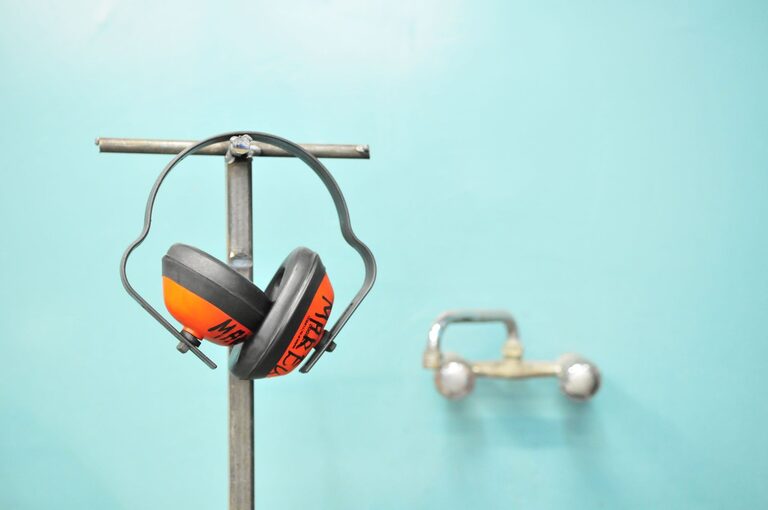
Living in a noisy environment can be stressful and disruptive, affecting your ability to relax, concentrate, and sleep well. Whether it’s traffic sounds, loud neighbors, or household noises, reducing noise at home can significantly improve your quality of life. The good news is that you don’t need expensive renovations to create a quieter living space. Here are some simple and practical ways to reduce noise at home.
Understand the Sources of Noise
Before tackling noise problems, it helps to identify where the noise is coming from. Common sources include:
– Outside traffic or construction noise
– Noisy neighbors or communal areas in apartments
– Appliances like washing machines, dishwashers, or HVAC systems
– Conversations or footsteps within your home
– Electronics such as TVs and speakers
Knowing the sources will guide you in choosing the right noise reduction methods.
Use Soft Furnishings to Absorb Sound
Hard surfaces like tile floors, bare walls, and windows reflect sound, making noise louder and more noticeable. Soft furnishings absorb sound waves and help reduce echo and noise levels.
– Rugs and Carpets: Place rugs or carpets on floors, especially in high-traffic areas. They cushion footsteps and reduce sound vibrations.
– Curtains and Drapes: Heavy curtains can help block outdoor noise and improve insulation. Opt for thick, dense fabrics for best results.
– Upholstered Furniture: Sofas, chairs, and cushions add layers of sound absorption to your rooms.
– Wall Hangings: Tapestries, fabric panels, or framed art with soft backing can help reduce echo on bare walls.
Seal Gaps and Cracks
Noise can seep in through small openings around windows, doors, and walls. Sealing these gaps is a quick, affordable way to decrease unwanted sound.
– Weatherstripping: Apply weatherstripping tape around door frames and window sashes to close gaps.
– Door Sweeps: Install door sweeps or draft stoppers along the bottom of doors to block sound from hallways or outside.
– Caulking: Use caulk to fill cracks or holes in window frames, walls, or baseboards.
– Window Film: Consider applying soundproof window film, which adds an extra layer that helps reduce noise penetration.
Rearrange Furniture for Sound Barriers
Strategically placing furniture can create natural sound barriers inside your home.
– Position bookshelves or large cabinets against shared walls or walls facing the street to help block sound.
– Use room dividers or screens to separate noisy areas from quiet zones.
– Arrange seating away from noise sources for better comfort.
Add Soundproofing Materials Where Possible
For more significant noise problems, adding soundproofing materials can help, even without major remodeling.
– Acoustic Panels: These panels absorb sound and reduce echo. They come in various designs and can blend with your decor.
– Door and Window Plugs: Removable plugs for doors and windows can block noise temporarily when needed.
– Underlayments: Adding a sound-absorbing underlayment beneath flooring can reduce impact noise between floors.
Manage Internal Noise Sources
Sometimes, noise comes from within your own home. Managing these can make a big difference.
– Use appliances during the daytime if possible to avoid noise during rest hours.
– Place washing machines and dryers on rubber mats to reduce vibration noise.
– Use soft-close fixtures on cabinets and doors.
– Keep volume levels on TVs, speakers, and devices at moderate levels.
Create White Noise or Soothing Background Sounds
A clever way to mask unwanted noise is by adding pleasant background sounds.
– Use a white noise machine or a fan to create consistent, soothing sounds that drown out disruptive noises.
– Play soft instrumental music or nature sounds to help relax and focus.
– Many smartphone apps provide customizable soundscapes ideal for this purpose.
Maintain Windows and Insulation
Windows are a major source of noise leakage, so maintaining and upgrading them can help.
– Consider double-glazed or laminated windows for better sound insulation.
– Regularly clean and check seals around windows to maintain their effectiveness.
– Insulating walls and ceilings can also reduce outside noise penetration.
Tips for Apartment Dwellers
If you live in an apartment, noise from neighbors can be challenging. Some additional tips include:
– Use area rugs with thick padding to reduce footstep noise.
– Hang sound-absorbing panels on walls shared with neighbors.
– Place plants near windows; dense foliage can help absorb sound.
– Talk to building management about noise issues; sometimes, communal noise policies can help.
Final Thoughts
Reducing noise at home doesn’t have to be complicated or costly. Simple changes like adding soft furnishings, sealing gaps, and managing internal noise sources can make a noticeable difference. With a quieter home environment, you’ll enjoy better relaxation, concentration, and overall comfort.
Try combining several of these tips to create a peaceful sanctuary that suits your lifestyle and preferences.